Sold out
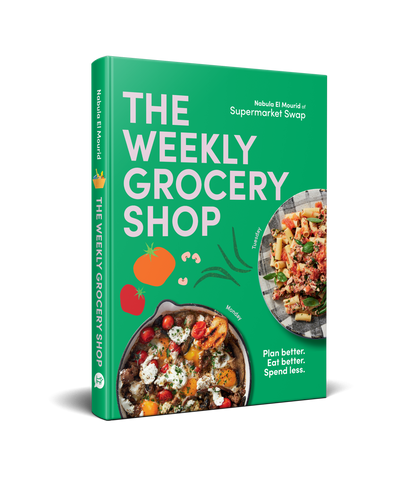
$39.95


If you've ever considered what is in the supermarket, you have probably noticed that it is filled with ultra-processed foods. They're not only in the chip or confectionary aisles. They're in the bread aisle, the yoghurt fridge, the "health food" section and in the lunchbox aisles.
Let's take a closer look at what ultra-processed foods actually are, why they're so hard to avoid and how to cut back without making everything from scratch.
The term comes from the NOVA classification, developed by researchers at the University of São Paulo in Brazil. Instead of judging food by its sugar, fat or salt, NOVA sorts it into four groups by how much it's been processed.

Ultra-processed foods usually contain things you wouldn't find in a home kitchen, such as emulsifiers, flavour enhancers, thickeners, artificial colours, sweeteners, protein isolates or modified starches.
1. They make up most of the shelf: A George Institute analysis of more than 40,000 packaged foods sold in Australia found about 60% were ultra-processed.
2. They've moved into the "health" aisles: High-protein bars, flavoured yoghurts, plant-based meat and milk alternatives, wraps and supermarket sandwich bread can all be ultra-processed.
3. Front of Pack claims aim to hide the processing: "High protein", "no added sugar", "plant-based" and "made with wholegrains" tell you about one nutrient or ingredient. None of them tell you how processed a product is.
4. They're designed for modern life: Ultra-processed foods are cheap to make, last for weeks, need no preparation and are ultra-convenient.
1. Start with what you buy weekly. Bread, yoghurt, cereal, snack bars and sauces. Swapping a staple you eat every day has a bigger effect than swapping an occasional treat.
2. Read the back, not the front. Skip the claims and go straight to the ingredients list. Shorter and more recognisable is usually better.
3. Compare on the same shelf. Better choices are often sitting right next to the product you usually buy, at a similar price per 100g.
4. Keep some convenience. Frozen veg, tinned legumes, plain Greek yoghurt and simple bread are all quick, and most of them are ultra-processed.
The Supermarket Swap app has 3,000+ additive-free products from Coles and Woolworths, each nutritionally reviewed and ranked from Sometimes to Often. It also explains 300+ additives approved in Australia, rated Safe, Caution or Avoid, so you can check any number on a label in seconds. Download it on the App Store or Google Play.